Financial Risks of Gaming Disorder: More Than Just a Game

Introduction: The Hidden Cost of Gaming
For hundreds of millions of people, video games are a favorite pastime. A source of entertainment, social connection, and challenging fun. The common view is that it’s a widespread and generally harmless hobby. But as with any deeply engaging activity, there’s a potential for a downside. New research is revealing that this downside can extend directly into our wallets in the form of a gaming disorder.
A study published in the journal Addictive Behaviors has uncovered a powerful, and often overlooked, link between problematic gaming behaviors and significant financial consequences.
The findings challenge common assumptions about who is at risk. And they highlight a major gap in how we officially define and screen for gaming disorder.
Have you ever logged off after a gaming session and felt you spent more money than you should have? The results of this study suggest that for some, that feeling is a sign of a much larger issue. Here are four surprising truths about the financial risks of Gaming Disorder.
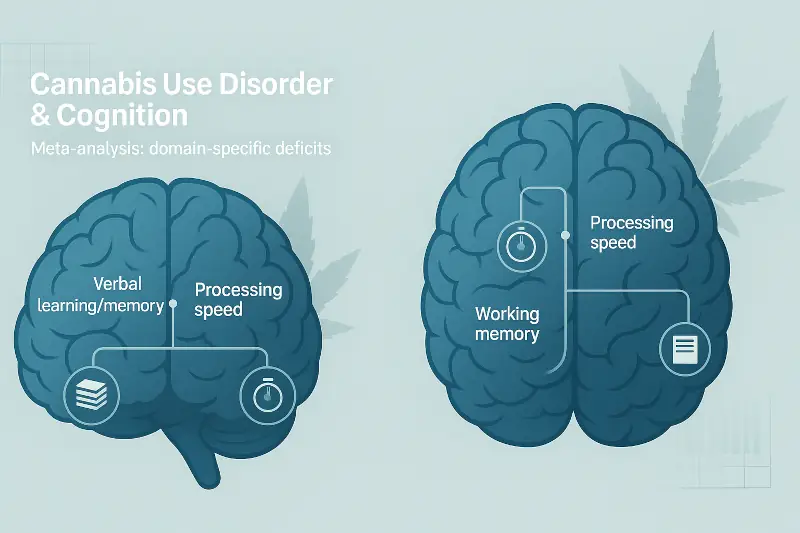
Do you have enough hours for your LPC renewal? Are you in need of continuing education, but bored with the current offerings? Check out Dr. Weeks’ course on Cannabis Use Disorder, and other unique courses on her practice website.
Sexual Addiction Treatment Services has been approved by NBCC as an Approved Continuing Education Provider, ACEP No. 7250. Programs that do not qualify for NBCC credit are clearly identified. Sexual Addiction Treatment Services is solely responsible for all aspects of the programs.
The Link Between Gaming Disorder and Overspending is Staggering
The core finding of the study is impossible to ignore: there is a massive correlation between being at risk for Gaming Disorder (GD) and overspending on gaming-related activities.
The research found individuals identified as being at risk for GD had 6-9x higher odds of reporting overspending.
The gap between those at risk for GD and those who are not is stark. The study’s data reveals a consistent pattern of overspending across different categories:
- Purchasing Games: 76% of at-risk individuals reported overspending, versus only 24% of those not at risk.
- In-Game Purchases: 73% of at-risk individuals reported overspending, compared to just 24% of those not at risk.
- Esports Betting: 63.5% of at-risk individuals reported overspending, versus a mere 13% of those not at risk.
This isn’t a minor or incidental issue.
The data shows that for those struggling with the behavioral patterns of Gaming Disorder, significant overspending is not an exception but a common, defining feature of their experience. It’s important to note, however, that the study measured players’ perception of overspending. Future research is needed to quantify the link to actual financial hardship or debt.
It’s Not Just a Problem for Young People
A persistent stereotype frames problematic gaming as an issue exclusive to teenagers and young adults. While the study confirmed that younger people reported higher rates of overspending, it also found that a “non-negligible proportion” of older adults are also impacted.
Specifically, the research showed that between 4% and 9% of adults aged 66 and older reported various types of game-related overspending. This finding is particularly concerning for this demographic.
As the study’s authors discuss, older adults often rely on fixed incomes from pensions or savings, which limits their ability to absorb financial losses. The source identifies further vulnerabilities, noting that “technological illiteracy and susceptibility to scams further exacerbate the risks for older adults,” making this a cross-generational concern that demands attention.

Are you a professional looking to stay up-to-date with the latest information on, sex addiction, trauma, and mental health news and research? Or maybe you’re looking for continuing education courses?
Stay up-to-date with all of Dr. Jen’s work through her practice’s newsletter!
Official Definitions of Gaming Disorder Overlook the Financial Damage
Despite the study’s clear evidence linking Gaming Disorder to serious financial issues, overspending is not currently part of the official diagnostic criteria from major health organizations.
Diagnostic frameworks like the World Health Organization’s ICD-11, and the screening tools like the Gaming Disorder Identification Test, focus on impairments in personal, social, or health-related areas. They largely omit the potential for financial harm as a key symptom or consequence. As the researchers state in their discussion:
“Our findings highlight that overspending is integral to GD, yet it is absent from diagnostic frameworks such as ICD-11 and DSM-5.”
This omission is critical.
The data reveals staggering rates of overspending (Truth #1) that affect even vulnerable older populations (Truth #2).
However, the very tools used to identify the disorder are blind to what may be its primary financial symptom. As a result, we may be under-identifying individuals for whom financial distress is the most significant negative consequence.
The Line Between Gaming and Gambling is Blurring
The study uncovered a significant relationship between Gaming Disorder and overspending on betting with real money on video games, also known as esports betting. The researchers describe this convergence of gaming and gambling as a “concerning” trend.
This blur is not limited to betting.
The study also notes the role of gambling-like mechanics built directly into games, such as loot boxes. These features use a “chance-based reward structure” that, as the source notes, can “foster compulsive spending and addiction-like behaviours.”
These in-game mechanics can prime users for the more explicit gambling behaviors seen in esports betting. It makes the convergence even more seamless and risky.
This finding underscores a growing need for greater awareness. The study’s authors call for specific, concrete actions, including “regulatory and harm minimization strategies such as spending limits, and educational initiatives to inform gamers about the risks” inherent in these evolving financial systems within games.
Conclusion: Rethinking the Risks
The key takeaway from this research is clear. The financial consequences of Gaming Disorder are a significant, underappreciated, and integral aspect of the condition.
These risks affect a wider range of people than is commonly believed. They are driven by an industry where lines between entertainment and finance are becoming increasingly blurred.
For clinicians, policymakers, and gamers themselves, these findings show that financial behaviors should be a key part of the conversation around healthy gaming. Recognizing overspending not just as a bad habit, but as a potential indicator of a deeper problem, is the first step toward better assessment and support.
How can we better recognize the warning signs of financial harm in ourselves and others? What can we do as the worlds of gaming and finance become more intertwined?

Are you exploring your trauma? Do you feel your childhood experiences were detrimental to your current mental or physical health? Utilize this free, validated, self-report questionnaire to find out.
Do you feel your sexual behavior, or that of someone you love, is out of control? consult with a professional.


Have you found yourself in legal trouble due to your sexual behavior? Seek assistance before the court mandates it, with Sexual Addiction Treatment Services.
Are you looking for more reputable, data-backed information on sexual addiction? The Mitigation Aide Research Archive is an excellent source for executive summaries of research studies.