What Teens and Young Adults Take Away From Pornography

Conversations about teens and pornography often start with what adults worry young people might learn. What if we started by asking what they actually took away from it? The answer might be different from the one we expected.
That’s the question behind a 2026 review in The Journal of Sex Research. It looks at what teens and young adults made of the messages they saw, including what they accepted, what they questioned, and what they talked through with other people.
What the researchers looked at
Lotte Mikkers and her colleagues pulled together 27 studies involving people ages 16 to 25 in OECD countries. Most of the studies used methods like interviews and focus groups. The researchers paid attention to ideas that kept showing up on screen, such as how bodies are supposed to look, who gets to take the lead, and what a partner is expected to go along with.
What young people took away
Some took it at face value. In some accounts, pornography served as a source of information about sex. Participants described picking up ideas about how they or a partner were supposed to act. Some also described feeling curious and uncomfortable at the same time.
Some questioned what they saw. Young people pointed out that the scenes were staged, that the bodies and reactions on screen could be unrealistic, or that the portrayal of a partner’s role felt sexist. A person could recognize an unrealistic expectation and still feel pressure to live up to it.
Some talked it through and came to a different conclusion. Conversations with friends or partners gave some participants a chance to question what they had seen and work out their own boundaries. The same person could describe more than one of these responses. What felt obvious on screen could look different after a conversation.
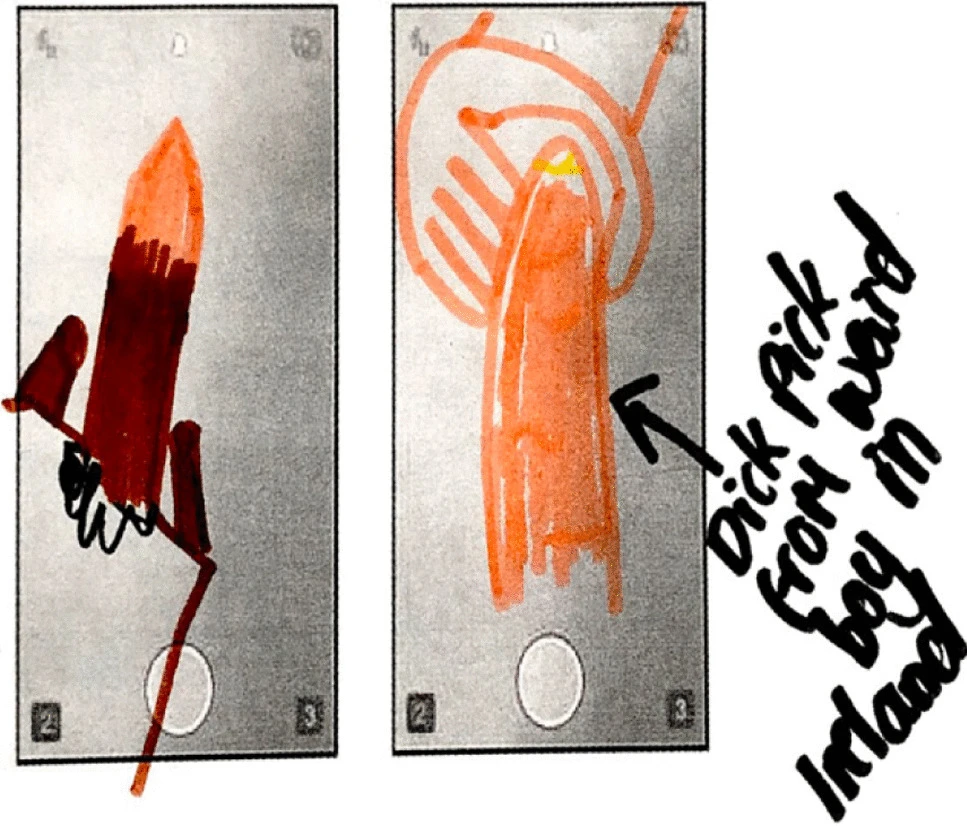
Learn why it’s important for everyone, especially teens, to be able to control their online experiences. Dick Pic Culture: How do Teenage Girls Navigate it?
What parents can take from the review
If a young person brings up something they saw, a simple question can give you more to work with than a lecture. “What did you make of it?” or “Did anything about it seem unrealistic or uncomfortable?” gives them room to tell you how they understood it.
You can also talk about what matters between real people. Can both people say what they want? Would each person feel free to say no or change their mind? What would listening to each other look like? You can talk about those things without asking your teen to describe what they watched.
The review tells us what young people described in the studies. Most of the evidence came from self-reports at one point in time, and the review focused on ages 16 to 25. That leaves questions about how common each response is, what causes it, and how younger teens make sense of similar material.
The next time the subject comes up, give their answer a little room. Knowing what a young person already thinks gives you somewhere to go with the conversation.
Read the original study in The Journal of Sex Research. Youth Engagements with Pornographic Stereotypes: A Systematic Scoping Review.
Stock photo by Katrin Bolovtsova on Pexels.
This post contains affiliate links. The author or blog owner may earn a commission if you make a purchase using these links.

