Kinks and Fetishes: 4 Surprising Scientific Truths
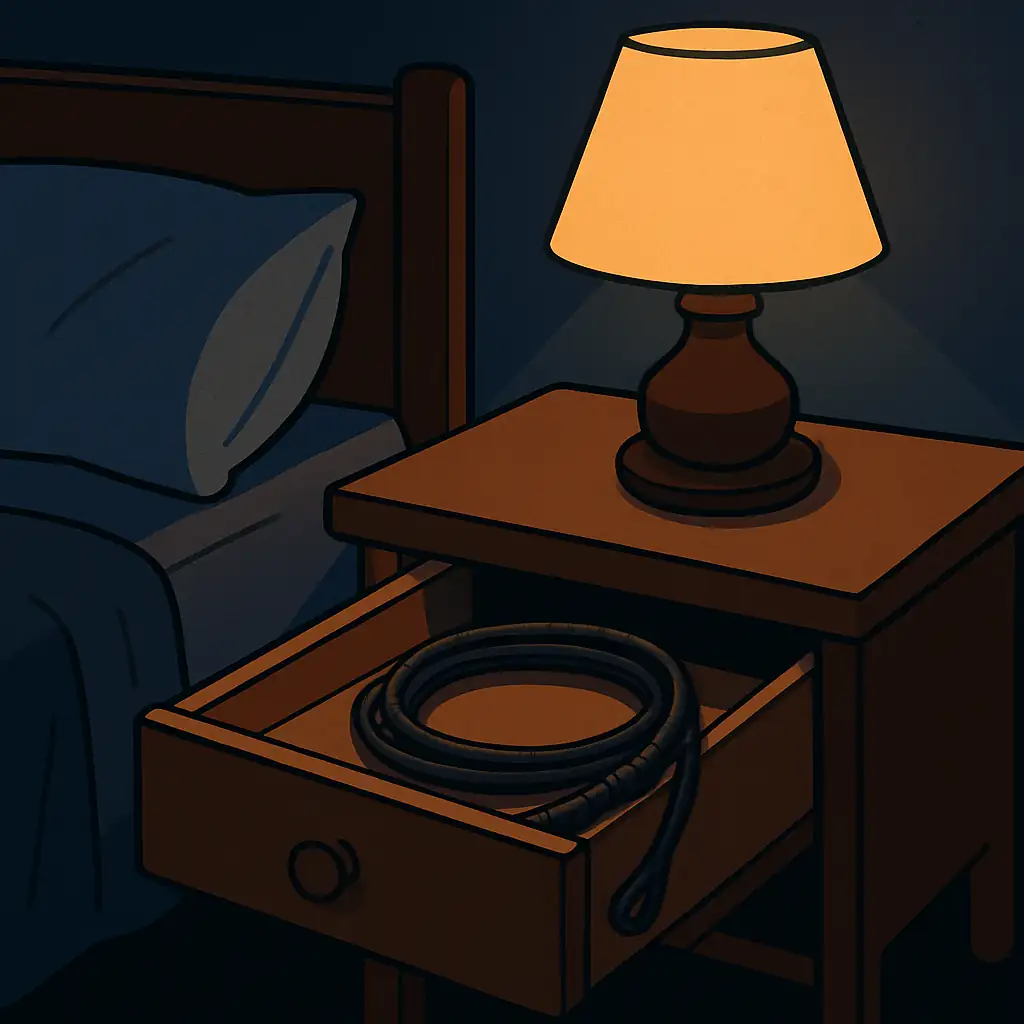
When you think of kinks, fetishes, and paraphilias they probably exist in a space of mystery and sensationalism. They can evoke images of fringe behaviors or clinical disorders. They seem like topics more suited for dramatic television than for serious discussion.
But as with many aspects of human experience, the scientific understanding of atypical sexuality offers a far more nuanced and surprising perspective. One that challenges deep-seated assumptions about what is “normal.”
Crucially, modern psychology and psychiatry draw a clear line. Paraphilia is an atypical sexual interest. A paraphilic disorder is a diagnosable condition that causes significant personal distress or involves harm to non-consenting individuals.
This distinction is the foundation for a more accurate and compassionate conversation.
A 2022 study published in the Journal of Criminal Justice provides compelling insights into this landscape. While it explores prevalence, its core contribution is an analysis of the complex developmental pathways that lead to these interests. This article distills the most impactful takeaways from that research.
1. Kinks & Fetishes No More! Atypical Sexual Interests Are Far More Common Than You Think
One of the most significant findings from the research is that many kinks, or paraphilic interests, are far more widespread than generally believed.
The study investigated 24 different paraphilic interests in a nonclinical sample of adults and concluded that a majority were “neither rare, nor unusual.”
This suggests that having an interest in things like fetishism or masochism is not an automatic sign of a fringe deviation. This finding aligns with previous research.
For example, a 2017 study by Joyal & Carpentier found that a remarkable 45.6% of individuals reported having at least one paraphilic fantasy. Crucially, that same study found that only 33.9% reported engaging in at least one paraphilic behavior.
The significance of this is profound:
It challenges the idea that such interests are inherently abnormal. It underscores why simply having a paraphilia is not considered a disorder. Instead of being isolated phenomena, these interests are a common part of the broad spectrum of human sexuality.
2. There’s a Critical Difference Between Fantasy and Arousal
While we now know these fantasies are common, it’s equally important to understand that a fantasy is not a blueprint for action.
In fact, the research reveals a crucial gap between our inner world and our real-world arousal.
The study found a significant difference between sexual fantasy and sexual arousal, noting “a majority of self-reported arousal being lower than fantasy.” In other words, just because a person fantasizes about something doesn’t mean it arouses them in reality, let alone that they would ever act on it.
The researchers emphasize this point to distinguish between internal thoughts and external behaviors.
The presence of atypical sexual fantasies is not necessarily indicative of a paraphilic behavior.
This distinction is vital for reducing stigma. Understanding that a person’s private fantasies do not automatically translate to their real-world desires or behavior is key. We can have more informed and less judgmental conversations about sexuality.
Do you believe your sexual behaviors are compulsive or harmful to you or others? Then you should take the CSBD-19 free, validated self-assessment tool.

3. The Official Line Between “Normal” and “Deviant” Is Blurry and Keeps Changing
For decades, clinicians have struggled to draw a clear, objective line between “normal” and “paraphilic” sexual interests.
The study notes that a “key problem with the DSM classification… is primarily based on descriptions of symptoms and behaviours instead of the underlying causes.”
What constitutes an ‘unusual’ sexual behavior is not always clear because our standards are not fixed; they are shaped by social forces. As the paper states, “Beliefs about what is morally and socially acceptable and unacceptable shifts across cultures and over time.”
The evolution of the DSM itself provides a perfect example.
The source notes, “To encompass that some individuals might engage in atypical sexual behaviours without being labelled with a mental disorder, the DSM-5 has clarified the distinction between paraphilia […] and paraphilic disorder.” This recent change is part of a long history of shifting definitions.
A powerful historical example illustrates this perfectly. Until 1973, the DSM classified homosexuality as a sexual deviation right alongside sadism and masochism.
This demonstrates that our definitions of sexual ‘normalcy’ are heavily influenced by social context, not objective science.
4. The Path From Childhood Trauma to Paraphilia Is Indirect
While a link between childhood trauma and the development of kinks, or atypical sexual interests, is known, this study reveals the relationship is not a simple, direct cause-and-effect.
Using a method called mediation analysis, the researchers found that the connection is more complex and is mediated by other factors.
In simpler terms, childhood trauma doesn’t directly cause paraphilic arousal. The study found that its influence is channeled through other issues that may arise from the trauma, such as hypersexuality (an unusually intense sex drive), problematic pornography consumption, and the development of certain personality traits. These intervening factors are what more directly connect the early trauma to later sexual interests.
The study’s abstract summarizes this developmental pathway powerfully:
Abuses during childhood are the starting point of an over-involvement in sexuality, which increase the likelihood of developing atypical sexual interest or behavior.
This shift from a simple A-to-B link to a complex web of influences is critical.
It moves our understanding away from a simplistic and stigmatizing ‘broken by trauma’ narrative toward a more compassionate and accurate developmental model, opening the door for more effective and targeted interventions.
A Final Thought About Kinks
The research paints a clear picture: what happens in our minds is a vast and common part of the human experience (Points 1 & 2).
The labels we use to pathologize it are often social constructs that are constantly evolving (Point 3), and the developmental pathways that lead to these interests are far more complex than simple narratives of trauma suggest (Point 4).
By moving past sensationalism, we can begin to see a more accurate and human landscape.
As our understanding evolves, how can we foster conversations about sexuality that are guided more by empathy and evidence, and less by outdated stigmas?

Are you exploring your trauma? Do you feel your childhood experiences were detrimental to your current mental or physical health? Utilize this free, validated, self-report questionnaire to find out.
Are you a Licensed Professional Counselor seeking engaging, unique Continuing Education courses? Dr. Weeks offers accredited courses on her practice website on the effects of Pornography Abstinence and other unique topics!


Have you found yourself in legal trouble due to your sexual behavior? Seek assistance before the court mandates it, with Sexual Addiction Treatment Services.